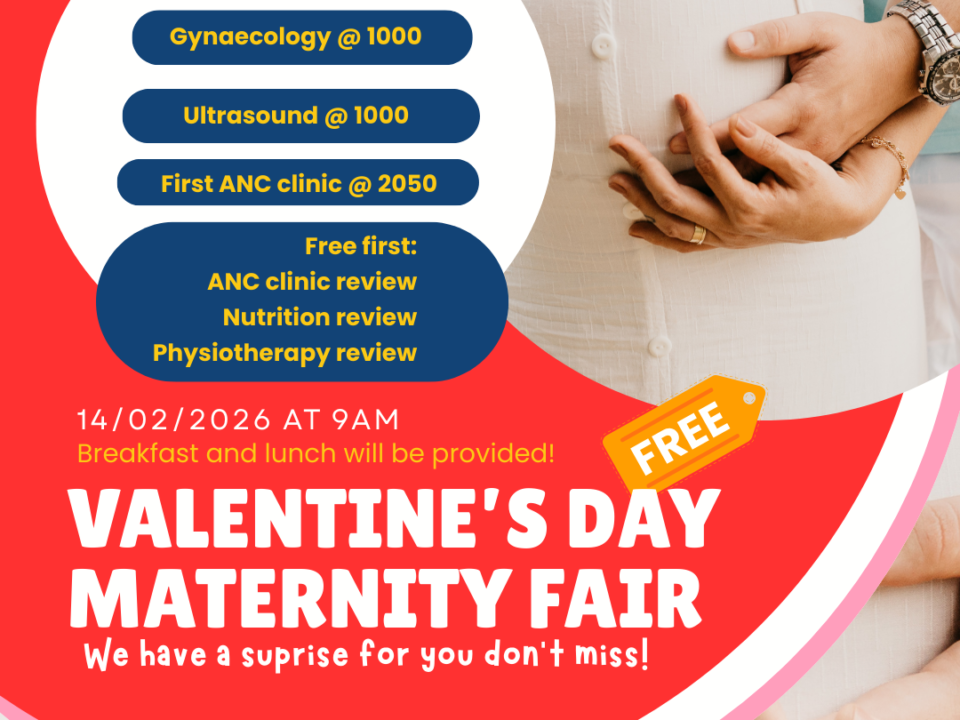
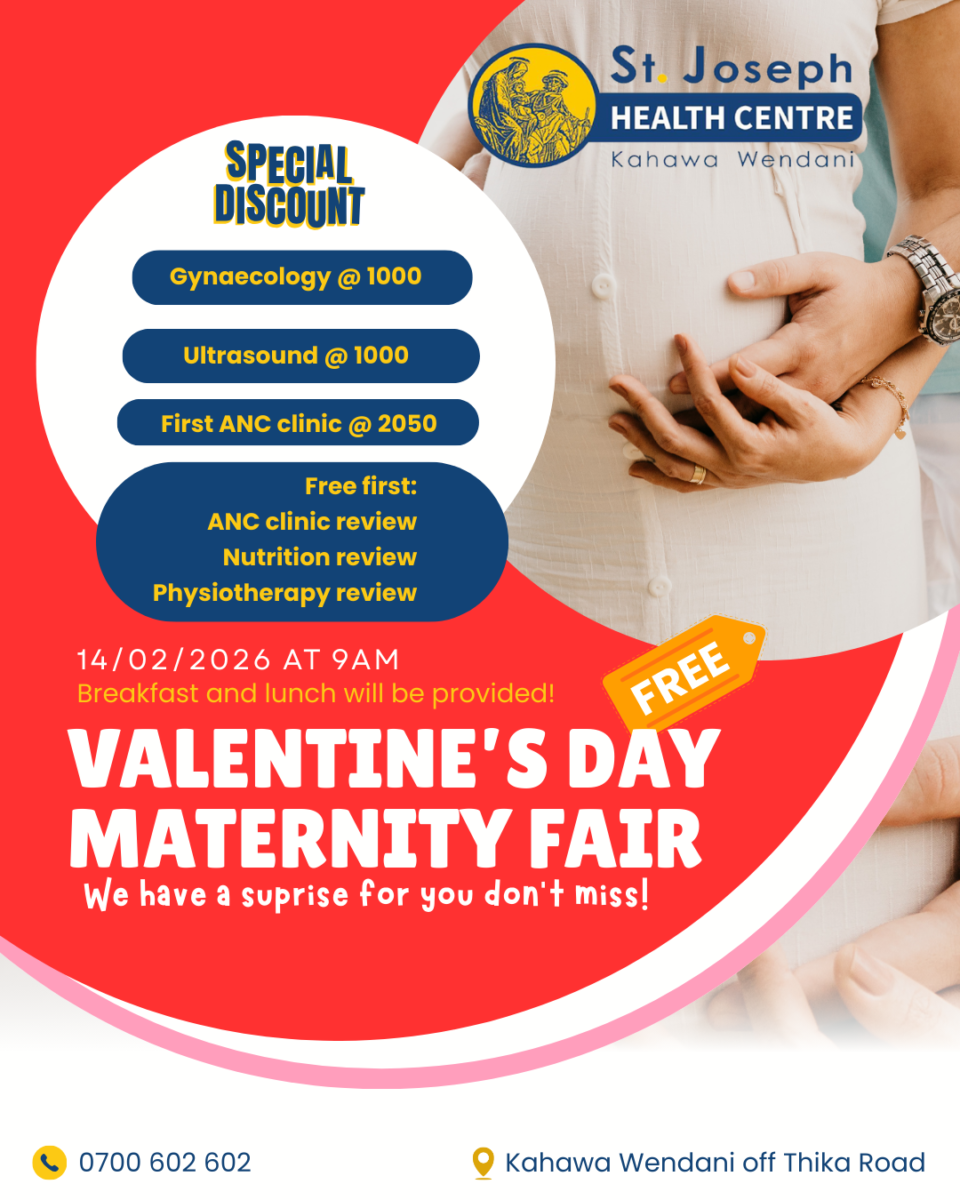
Free Maternity Fair – 14th February 2026
February 10, 2026By mid-morning in Kahawa Wendani, the waiting area is already full. People have come early, some guided by word of mouth, others by quiet urgency. Vision problems rarely announce themselves loudly at first they creep in, blurring text, dimming faces, complicating daily routines. Yet when an opportunity for free screening appears within reach, the response is immediate.
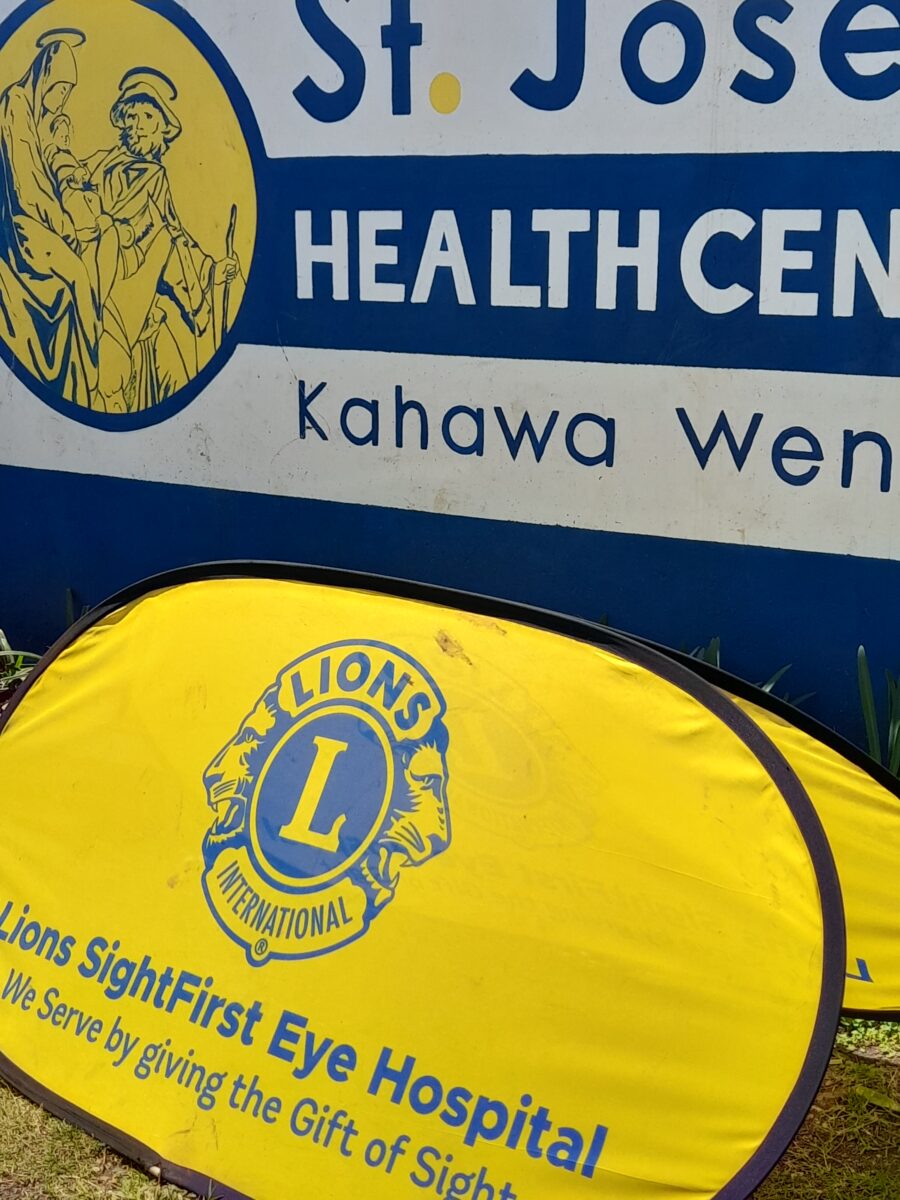
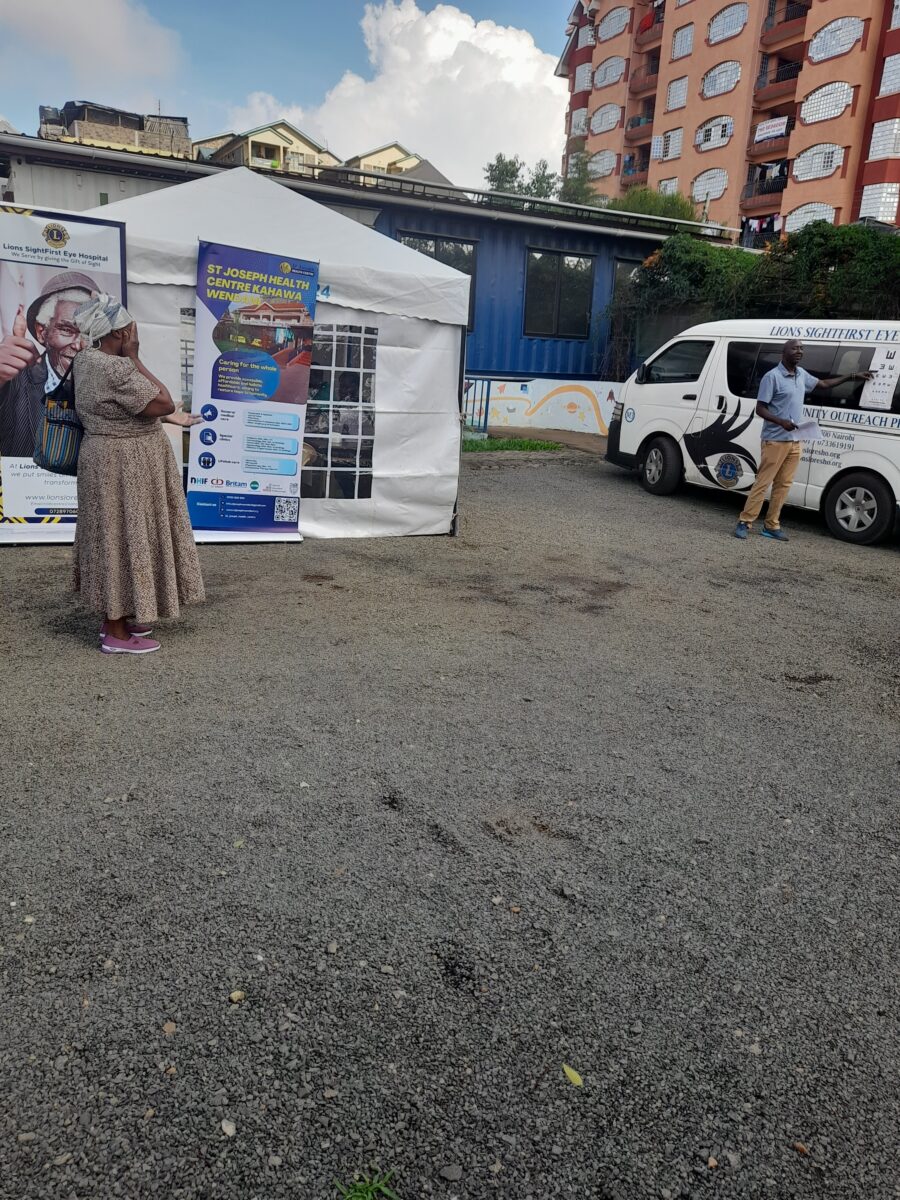
That is exactly what unfolded during the recent eye camp organized through a partnership between Lions SightFirst Eye Hospital and St Joseph Health Centre Kahawa Wendani. For five hours, from 9:00 a.m. to 2:00 p.m., a temporary clinic became a point of access, reassurance, and, for many, long-awaited clarity.
This was not just a medical exercise. It was a moment where need met preparedness and where outcomes spoke for themselves.
A System That Worked Because People Did
Precision Without Complexity
What stands out is not just the number of patients seen, but how seamlessly the process unfolded. There was no visible strain, no bottlenecks slowing movement. Instead, a quiet rhythm guided the day.
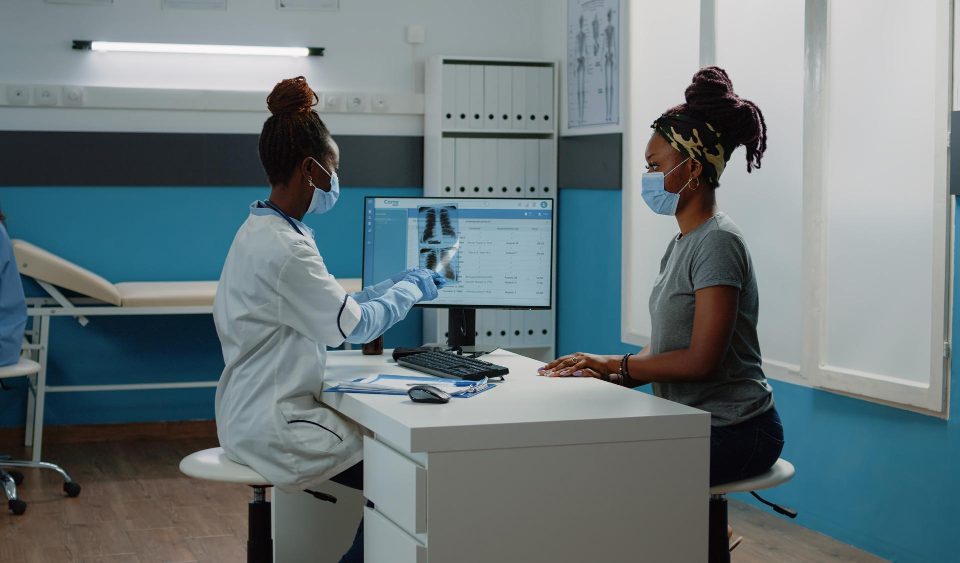
Patients were received, registered, and guided through vision screening before being reviewed by clinicians. Each step felt intentional. Nothing excessive, nothing rushed. The structure allowed the team to handle a high volume of cases without reducing care to a transaction.
Five clinical staff from Lions SightFirst Eye Hospital led the medical evaluations, bringing both experience and efficiency. Supporting them were three Kenyatta University students, whose presence added momentum to the flow directing patients, managing records, and ensuring continuity between stages. The St Joseph Health Centre team anchored the operation, coordinating logistics and maintaining order throughout.
It is easy to underestimate how much coordination this requires until it works this well.
Human Interaction at the Center
Even within a structured system, something more subtle defined the experience: attention. Patients were not processed; they were engaged. Questions were answered. Concerns were acknowledged. Explanations were given in ways that made sense.
In community health settings, this balance matters. Efficiency ensures reach, but engagement builds trust. On this day, both were present.
The Numbers Tell One Story, The Details Tell Another
113 Patients, 113 Individual Outcomes
By the close of the camp, 113 patients had been reviewed. On paper, it is a strong figure for a five-hour outreach. In practice, it represents something more layered.
Each patient arrived with a different need. Some required simple visual correction. Others came with discomfort they could not fully describe. A few had delayed seeking care for far too long.
The value of the camp lies in this diversity of outcomes. It was not about a single intervention—it was about meeting each case where it stood.
Five Diagnoses That Could Not Wait
Among those seen, five patients were diagnosed with cataracts. It is a condition that often develops gradually, quietly worsening until daily life becomes significantly affected.
Left unaddressed, cataracts can lead to severe visual impairment. Identified early, however, they are treatable.
What mattered here was not just the diagnosis, but the next step. All five patients were referred to Lions’ main hospital for further management. The transition from screening to specialized care was immediate and clear.
This is where many outreach programs fall short identifying problems without ensuring continuity. In this case, the pathway forward was already in place.
Access Changes Behavior And Outcomes
Bringing Services Closer Shifts Decisions
One of the less visible impacts of the eye camp is the decision it made easier. For many in the community, seeking specialized eye care involves multiple barriers cost, travel, time, uncertainty.
By relocating services into the community itself, those barriers were reduced, if not removed entirely.
The result is evident in the turnout. People came because they could. And because they came, conditions that might have progressed unnoticed were identified early.
Access, in this sense, is not just about availability it is about proximity, simplicity, and trust.
Awareness That Extends Beyond the Day
The consultations did more than diagnose. They informed. Patients left with a clearer understanding of their eye health what to monitor, what to avoid, when to seek help.
This kind of knowledge has a longer lifespan than the event itself. It influences decisions weeks and months later, often preventing complications before they begin.
In preventive care, small pieces of information can carry disproportionate value.
Why This Worked and Why It Matters
Clarity of Purpose
The camp succeeded because its objective was clear: deliver accessible, quality eye care within a defined timeframe. Every decision from staffing to workflow supported that goal.
Collaboration That Added Value
The partnership between Lions SightFirst Eye Hospital and St Joseph Health Centre Kahawa Wendani was not symbolic. Each brought something essential clinical expertise, local coordination, and community connection.
Together, they created a system stronger than its individual parts.
Execution That Matched Planning
Good intentions are common in outreach. Effective execution is not. What distinguished this initiative was the alignment between planning and delivery.
The result was not just activity, but impact.
Beyond the Day Itself
What remains after the camp is not just a record of 113 patients seen or five referrals made. It is the effect those interactions will have moving forward.
Clearer vision for some. Timely treatment for others. Better awareness across the community.
The significance lies in these outcomes quiet, individual, but collectively meaningful.
Because in the end, improving eye health is not about a single event. It is about creating moments where care becomes accessible and making sure those moments count.